Chakra Meditation Basics
Chakra meditation is one of the more popular meditation techniques used today. Its philosophy is based upon the discovery or the search of the charkas. A charka can be considered as an energy point or force in the body that tries to govern different physical, mental and spiritual functions in an individual. It is the practice of awakening the charka in the body that is the aim of chakra meditation.
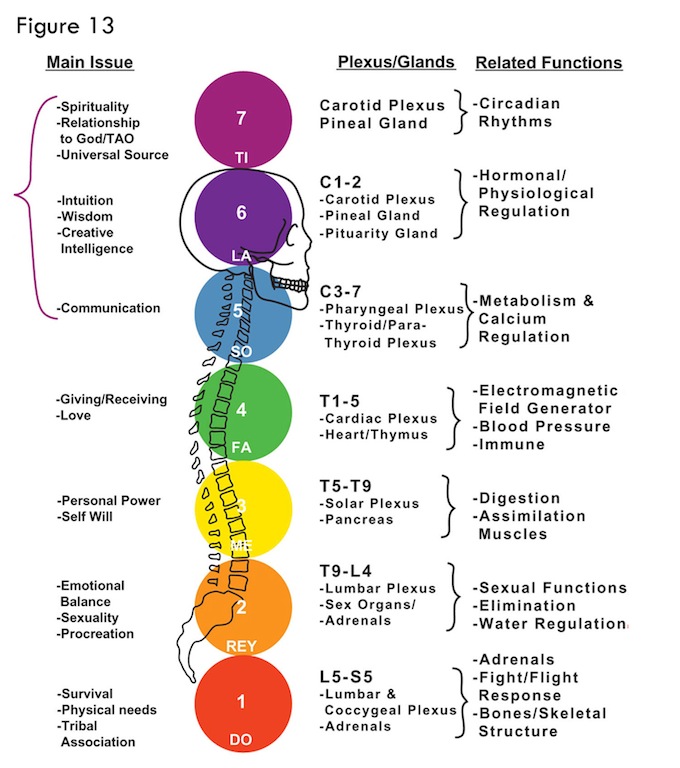
According to the practice of chakra meditation, there are seven chakras locate din the different parts of the body. Each one governs different bodily functions and may also provide different benefits when awakened through meditation. One of the charka is the Mooldhara or the "root place". This chakra is located somewhere in the cervix in women and in the perineum in men. It is said to govern the skeletal and the excretory system of the body. The Mooldhara may also affect the sense of smell as well as the legs and the cervix. Attributes to it include the basic life force, material attachment, procreation, and response to stimuli of labor for women.
Another of the seven chakras is the Swadhistana or "place of one's abode". It can be located somewhere at the tip of the spinal column. It is said to affect the urinary system such as the kidney and the bladder. Other bodily systems that this chakra may affect include the reproductive system such as the ovaries, fallopian tube and the uterus in women and the testes and prostrate gland in men. Attributes connected to this chakra include the sense of taste, the ability to analyze, a balanced sex drive, high fertility and no fear of water.
The third chakra is the Manipura or the "city of sparkling jewels". This chakra is located in the spinal column somewhere in the lumbar junction of the L1 and T12 vertebras. It is said to affect the digestive system, the adrenal glands as well as the sympathetic and the parasympathetic systems of the body. This chakra is attributed to power, ego, self confidence, strength and good assimilation and digestion.
The fourth chakra is the Anahata or "unstruck". This chakra is located in the spinal column somewhere in the center of the chest. It is said to affect the cardiovascular, respiratory system as well as the muscular system. This chakra is attributed to a person's emotions, relationships, love, and ability to express oneself through the arts. If this chakra is afflicted in the body, it is said to lead to respiratory disorders, heart problems, and low immunity. It may also lead to a person having fear of loneliness, experience some form of emotional imbalance and the inability to maintain friends
There is also the Vishudh chakra or "purification".
It is located in the spinal column somewhere at the C7 vertebrae. It is said to affect the
thyroid and parathyroid glands, as well as the function of the throat including the voice, ears, sense of hearing. Attributes to this chakra include the transformation of thoughts into speech, better ability to speak or sing, and the acute sense of hearing. If afflicted, this chakra may cause thyroid imbalance, restriction in the voice as well as the inability to comprehend and understand.
The Ajna, or
"command" chakra is said to be located in the mid-center of the brain somewhere at the top of the spinal cord. It governs the autonomic nervous system, pineal gland, and the pituitary gland. This chakra is also said to be attributed to the sense of intuition, higher level of mind and wisdom that is beyond normal intellect.
The Sahasrara or the "one thousand" chakra is said to have various positions according to different ancient texts but is usually found at the base of scalp. It is said to control no specific bodily system but has the overall control of the brain. The knowledge of the seven chakras is the basic in better understanding chakra meditation.

Chakra Meditation Basics
Chakra meditation is one of the more popular meditation techniques used today. Its philosophy is based upon the discovery or the search of the charkas. A charka can be considered as an energy point or force in the body that tries to govern different physical, mental and spiritual functions in an individual. It is the practice of awakening the charka in the body that is the aim of chakra meditation.
According to the practice of chakra meditation, there are seven chakras locate din the different parts of the body. Each one governs different bodily functions and may also provide different benefits when awakened through meditation. One of the charka is the Mooldhara or the "root place". This chakra is located somewhere in the cervix in women and in the perineum in men. It is said to govern the skeletal and the excretory system of the body. The Mooldhara may also affect the sense of smell as well as the legs and the cervix. Attributes to it include the basic life force, material attachment, procreation, and response to stimuli of labor for women.
Another of the seven chakras is the Swadhistana or "place of one's abode". It can be located somewhere at the tip of the spinal column. It is said to affect the urinary system such as the kidney and the bladder. Other bodily systems that this chakra may affect include the reproductive system such as the ovaries, fallopian tube and the uterus in women and the testes and prostrate gland in men. Attributes connected to this chakra include the sense of taste, the ability to analyze, a balanced sex drive, high fertility and no fear of water.
The third chakra is the Manipura or the "city of sparkling jewels". This chakra is located in the spinal column somewhere in the lumbar junction of the L1 and T12 vertebras. It is said to affect the digestive system, the adrenal glands as well as the sympathetic and the parasympathetic systems of the body. This chakra is attributed to power, ego, self confidence, strength and good assimilation and digestion.
The fourth chakra is the Anahata or "unstruck". This chakra is located in the spinal column somewhere in the center of the chest. It is said to affect the cardiovascular, respiratory system as well as the muscular system. This chakra is attributed to a person's emotions, relationships, love, and ability to express oneself through the arts. If this chakra is afflicted in the body, it is said to lead to respiratory disorders, heart problems, and low immunity. It may also lead to a person having fear of loneliness, experience some form of emotional imbalance and the inability to maintain friends
There is also the Vishudh chakra or "purification". It is located in the spinal column somewhere at the C7 vertebrae. It is said to affect the thyroid and parathyroid glands, as well as the function of the throat including the voice, ears, sense of hearing. Attributes to this chakra include the transformation of thoughts into speech, better ability to speak or sing, and the acute sense of hearing. If afflicted, this chakra may cause thyroid imbalance, restriction in the voice as well as the inability to comprehend and understand.
The Ajna, or "command" chakra is said to be located in the mid-center of the brain somewhere at the top of the spinal cord. It governs the autonomic nervous system, pineal gland, and the pituitary gland. This chakra is also said to be attributed to the sense of intuition, higher level of mind and wisdom that is beyond normal intellect.
The Sahasrara or the "one thousand" chakra is said to have various positions according to different ancient texts but is usually found at the base of scalp. It is said to control no specific bodily system but has the overall control of the brain. The knowledge of the seven chakras is the basic in better understanding chakra meditation.